
This book documents a transformative childcare reform model that brings together the voices of children with disabilities, families, caregivers, and community leaders involved in ending institutionalisation in Rwanda. It showcases how a systemic, family- and community-based approach supported children to leave institutions, strengthened families to prevent separation, and built inclusive community services that uphold dignity and belonging. Through lived testimonies and evidence from practice, the book offers an inspiring and practical blueprint for sustainable, rights-based care reform.
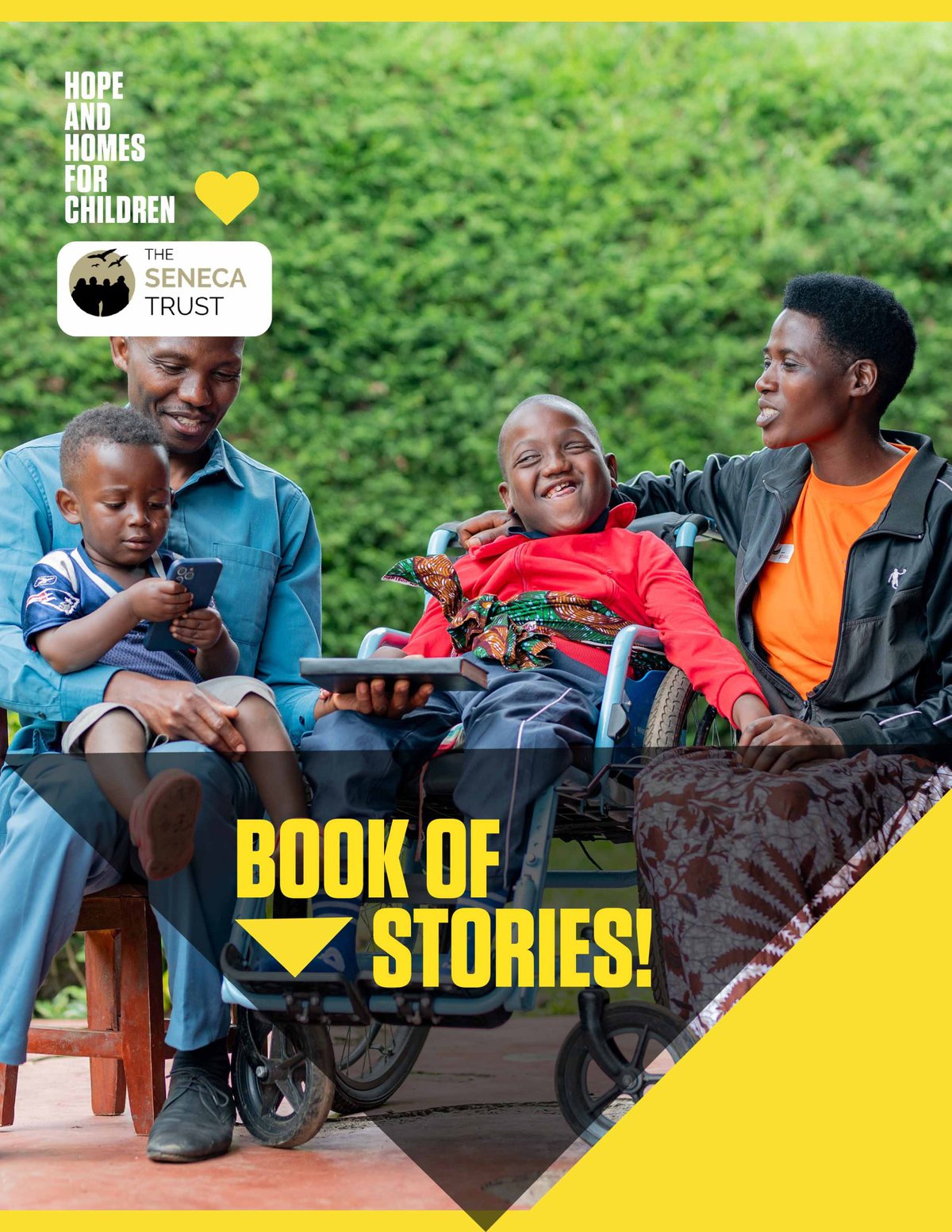
This book is a powerful collection of real-life stories from children with disabilities, parents, foster caregivers, and community members whose lives have been transformed through Hope and Homes for Children Rwanda’s work. Through deeply personal testimonies, it highlights journeys of separation and reunification, stigma and acceptance, hardship and hope—showing how family care, peer support, and community solidarity have restored dignity and belonging. These stories offer an intimate glimpse into the human impact of care reform and celebrate the resilience of families who, with the right support, are keeping children safe, loved, and thriving at home.
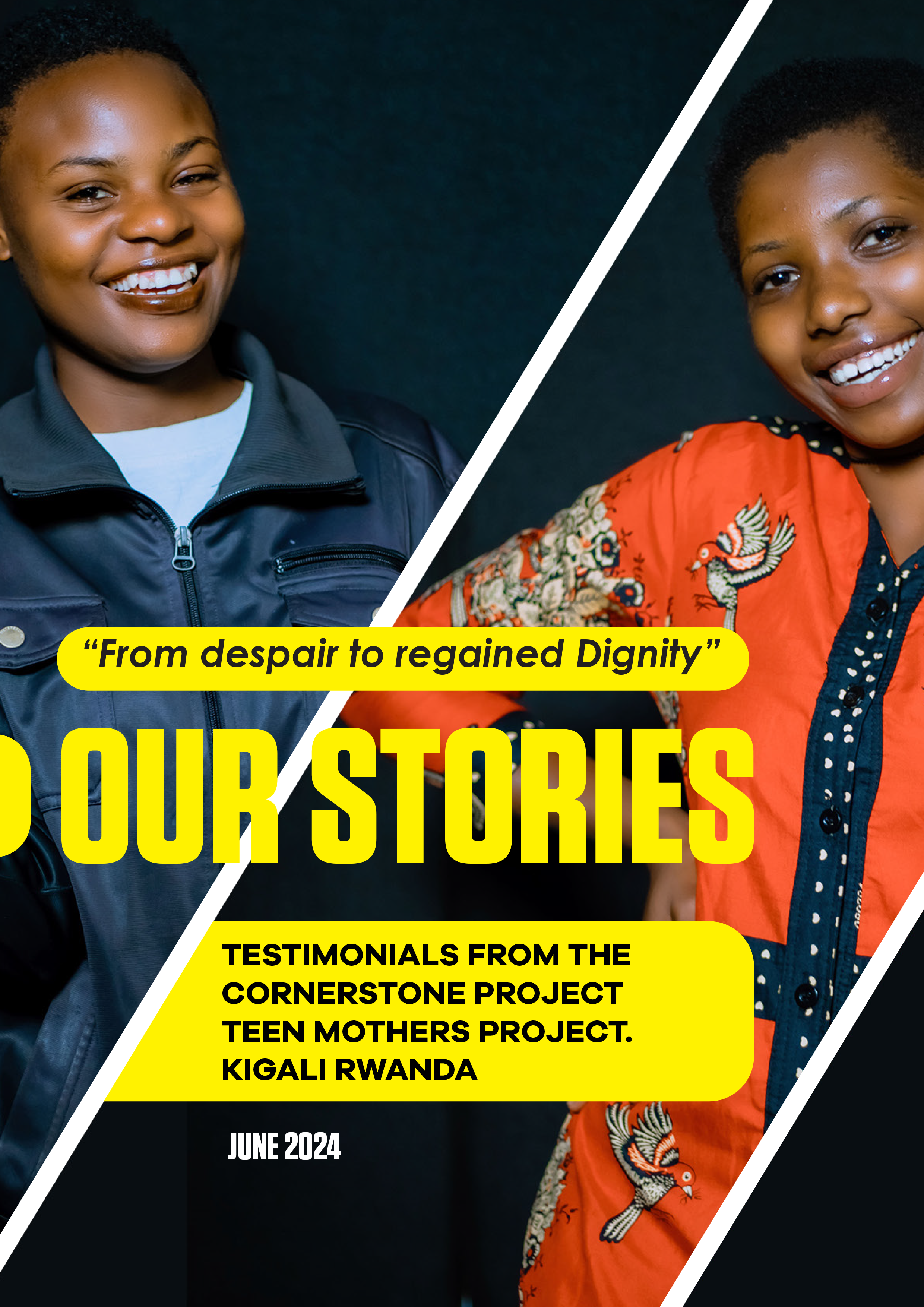
This book is a compilation of stories from teen mothers, parents, and local leaders who shared their experiences on how the Teen Mothers Project has profoundly impacted their lives. Having supported 252 teen mothers in Kicukiro District, these narratives provide a glimpse into the transformative journey of those the project has assisted. Dive into these inspiring stories!
Hope and Homes for Children Rwanda has meticulously documented an intervention model to support teen mothers. This model, known as “Active Family Support,” has been thoughtfully adapted to address the complex needs of teen mothers. Lead More about the Model of intervention to teen mothers.
The objective of this survey was to collect extensive quantitative data on all children residing in institutions in Rwanda, including the personal experiences of these children, to gather information on the institutions and their staff, as well as to identify any current interventions prioritizing child care reform.
The study is premised on the view that the knowledge, attitudes, and practices regarding attributes and conceptualization of CWD in their families and communities vis-à-vis institutional care for CWD, are crucial determinants of barriers/enablers of full and meaningful integration of CWD into community life in Rwanda.
The survey aimed at gathering comprehensive and disaggregated data related to residents’ characteristics, staff profile, and the minimum standards for the centres.
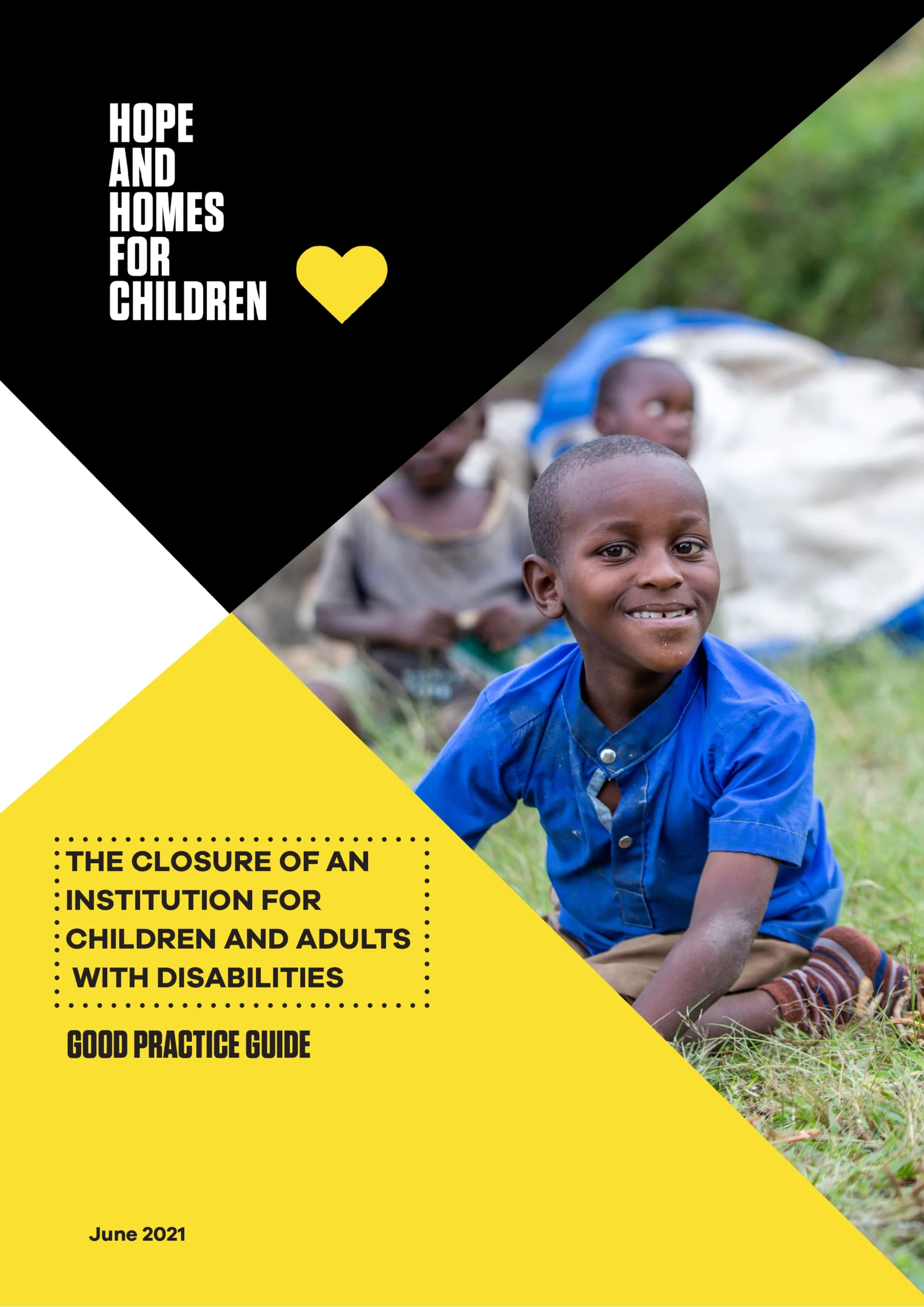
This report firstly outlines the effects of both institutional care and DI, then the 5 key steps – engagement, assessment, service design and development, transition and M&E – that serve as an effective blueprint for a successful DI process of children and young adults with disabilities. Gaps and challenges are also highlighted as well as mitigation measures in the DI process and finally recommendations.
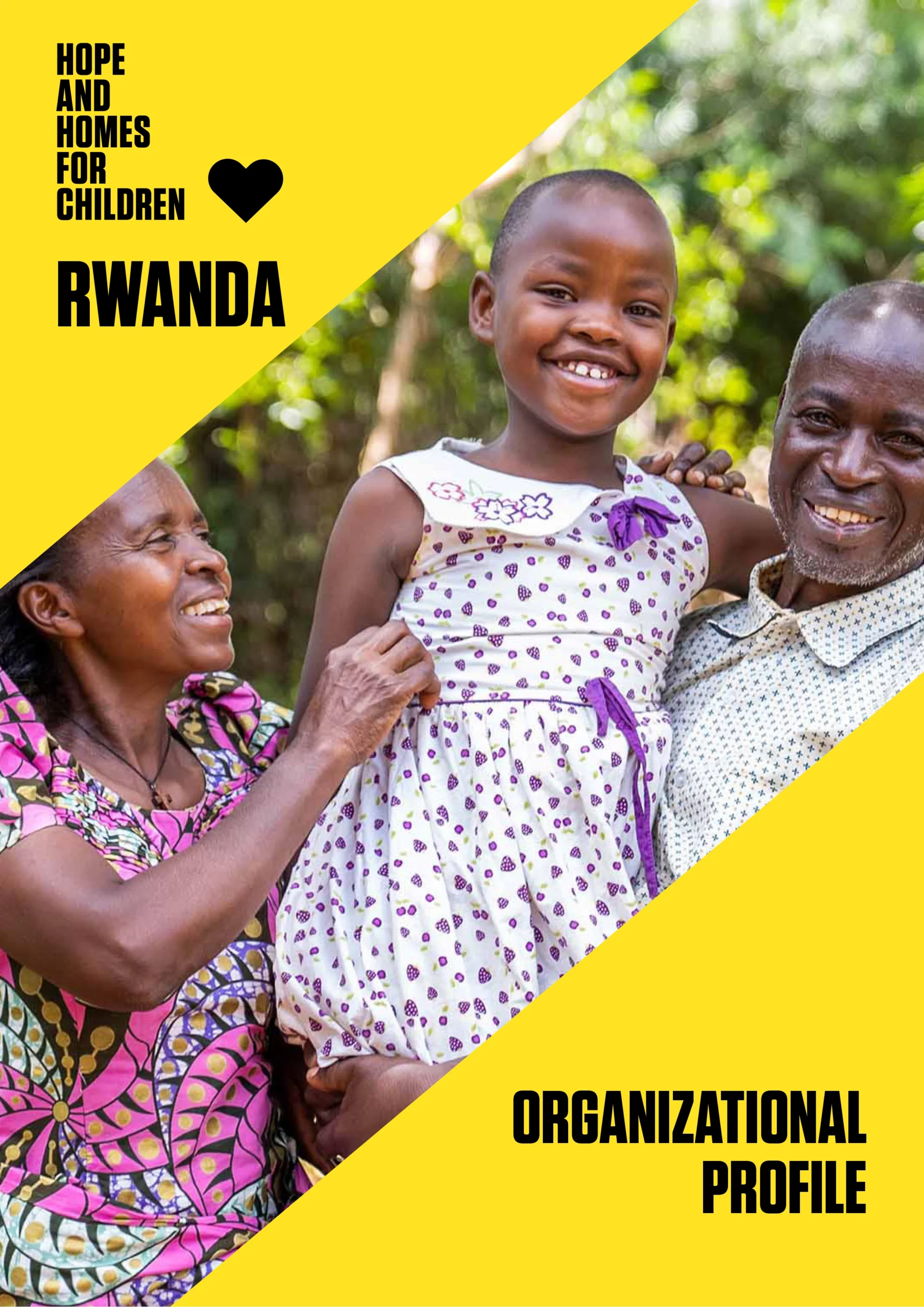
This document describes the Historical background of Hope and Homes for Children, the description of the work we do in Rwanda, the target groups, Achievements, and awards received over the 22 years that Hope and Homes for Children has been operating in Rwanda.